January 23, 2026
It usually starts with a simple request.
“We need some merch.”
The timeline is tight. The event is coming. The onboarding date is fixed. The budget exists — but the intention is often unclear.
The objects are treated as a marketing item, something to be seen, distributed, and quickly forgotten.
But branded objects don’t behave like marketing tools.
WHAT REMAINS
A marketing tool is designed to capture attention for a moment.
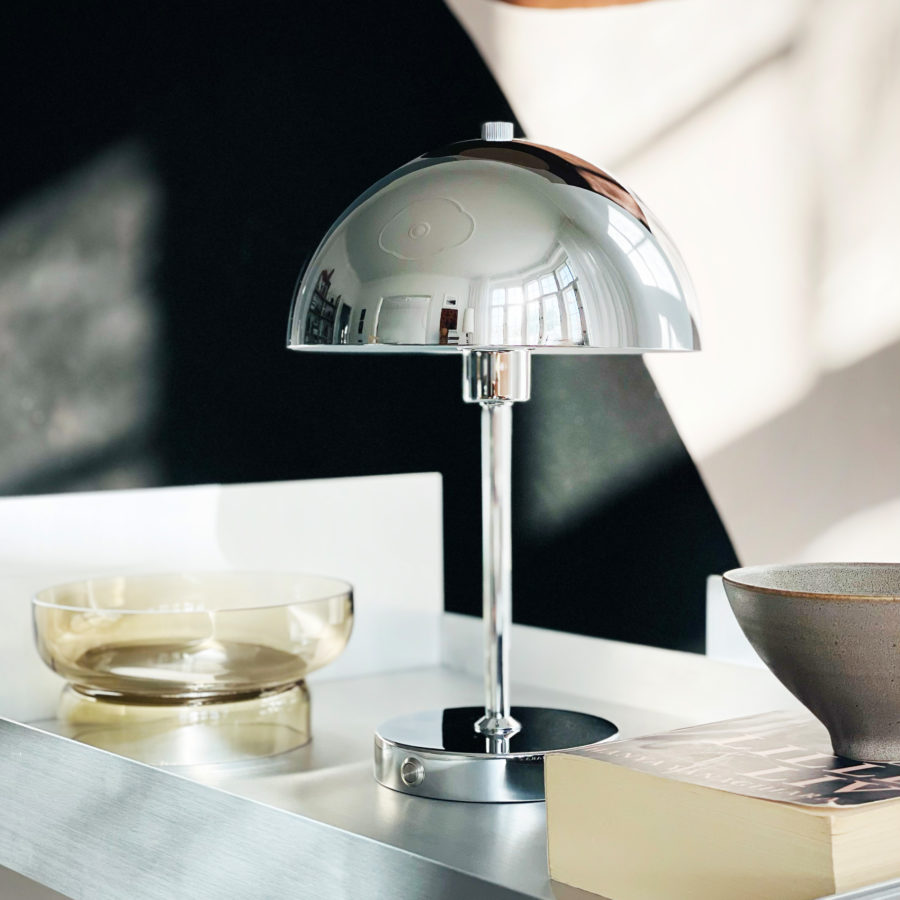
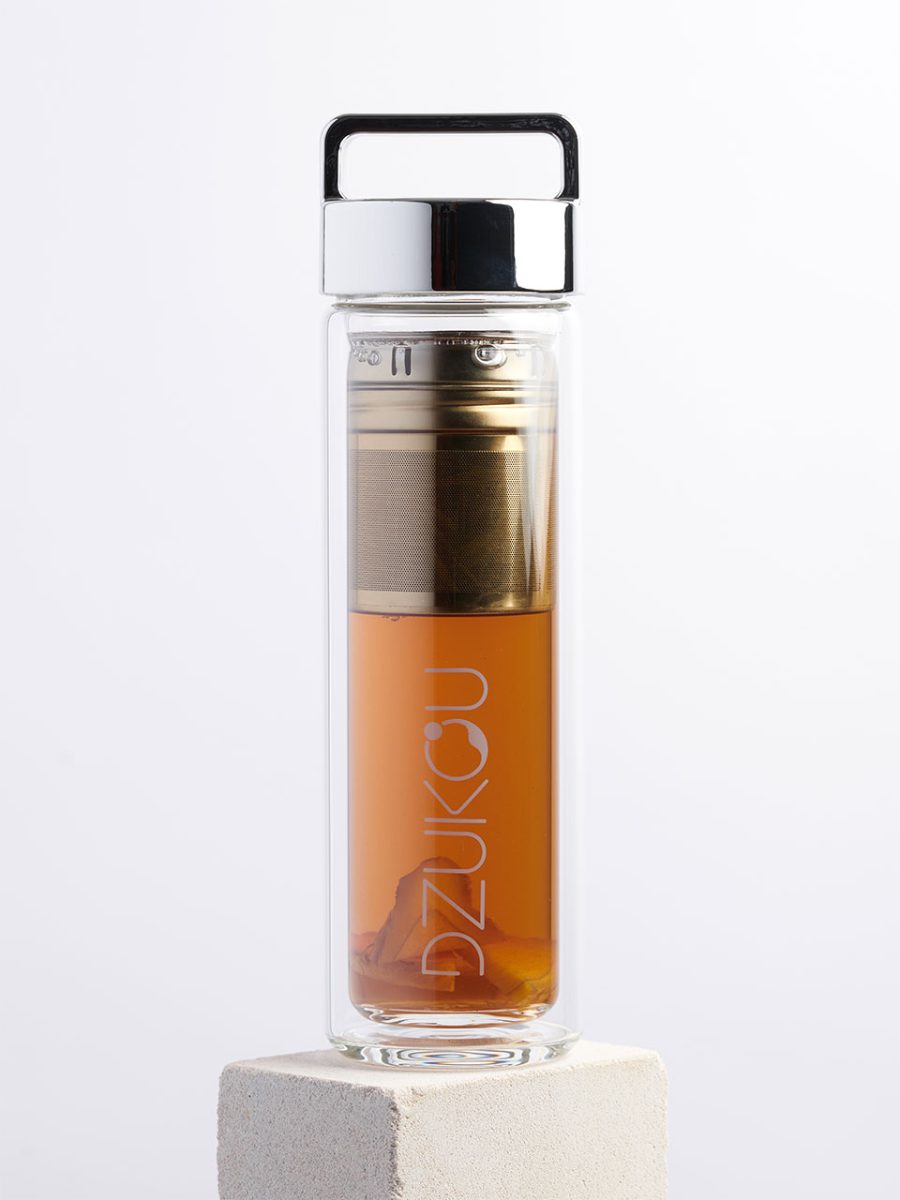
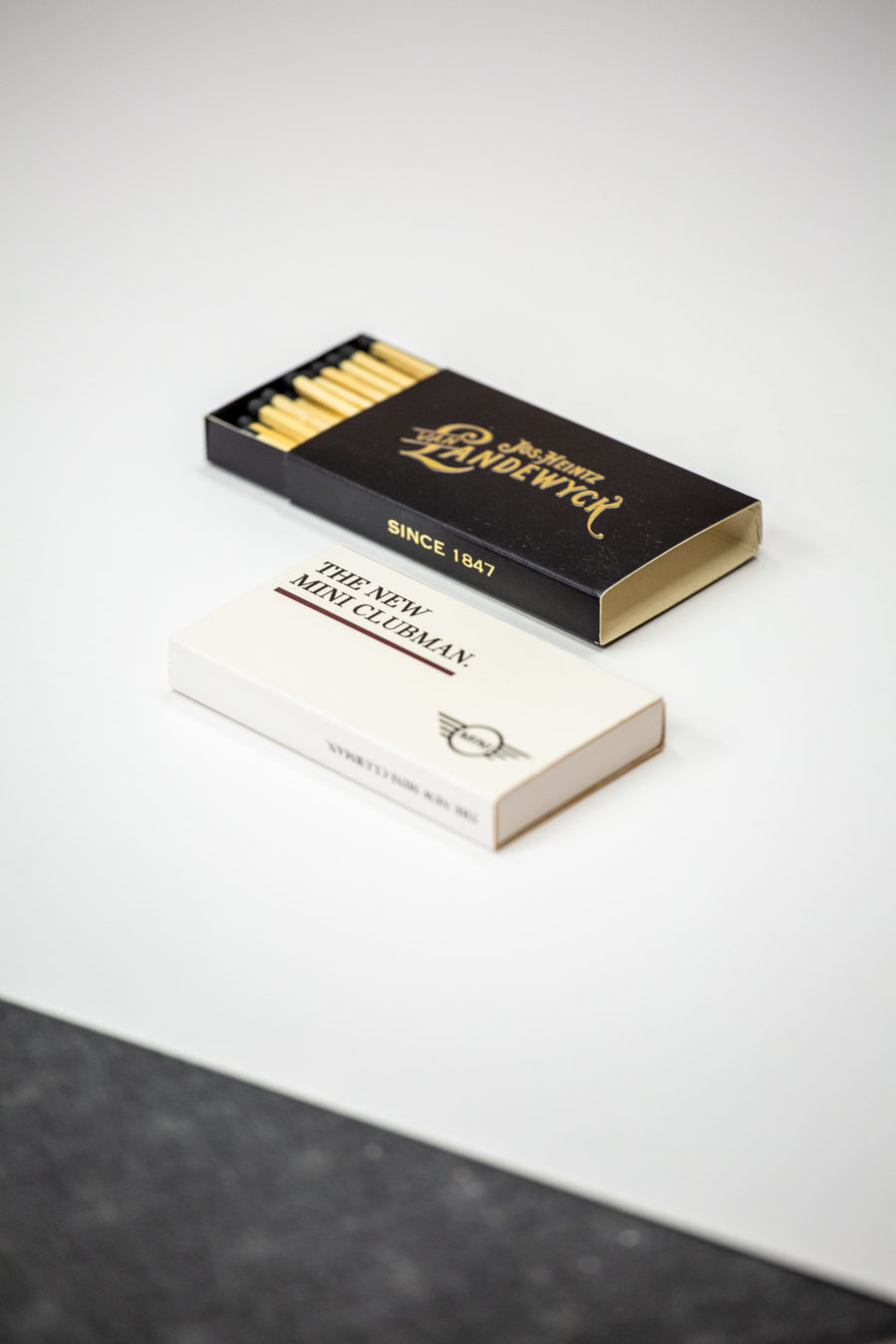
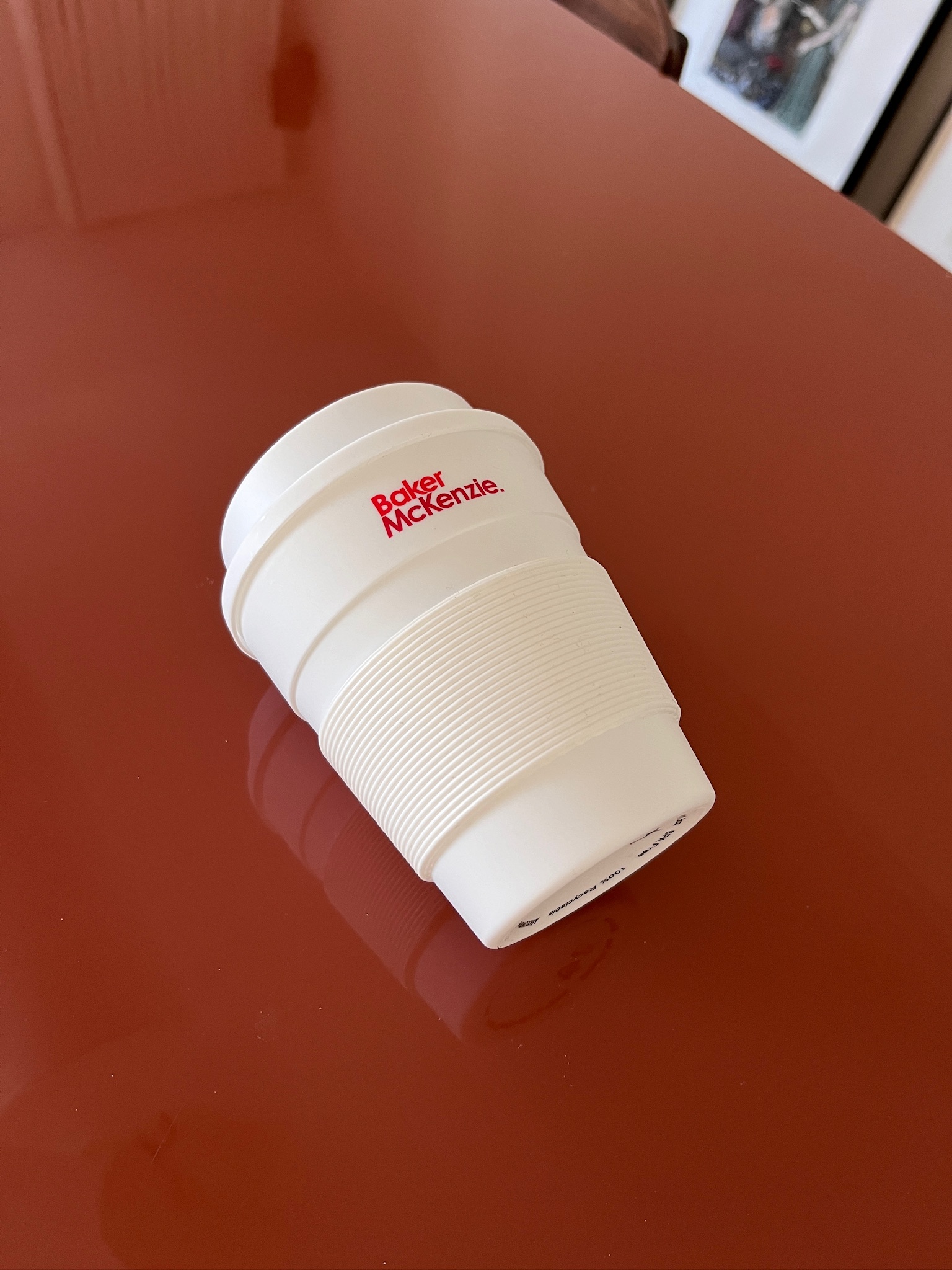
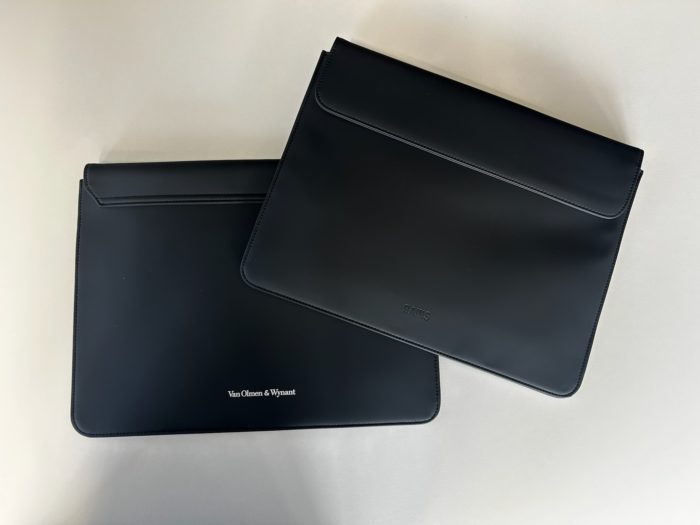
A branded object is designed — whether intentionally or not — to live in someone’s everyday life.
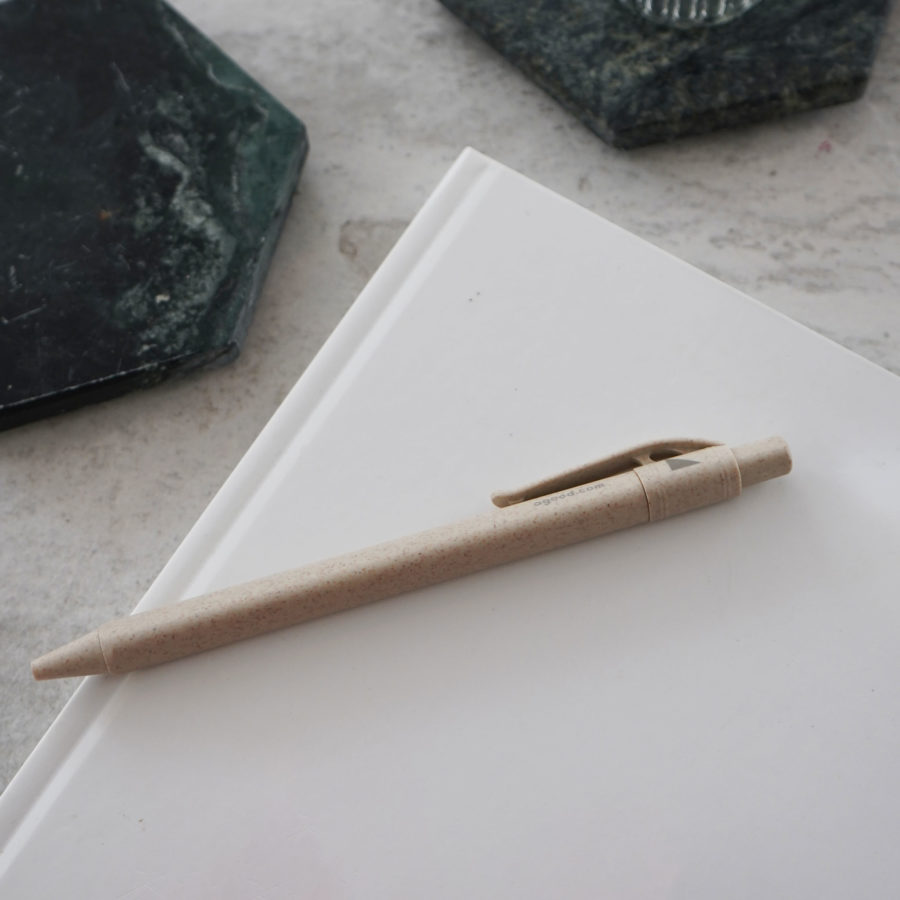
It sits on a desk.
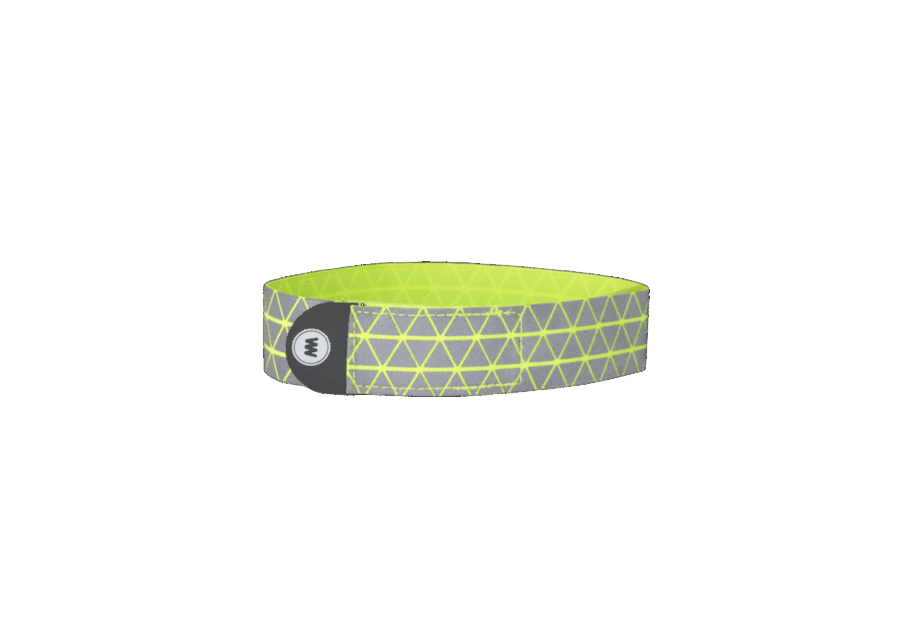
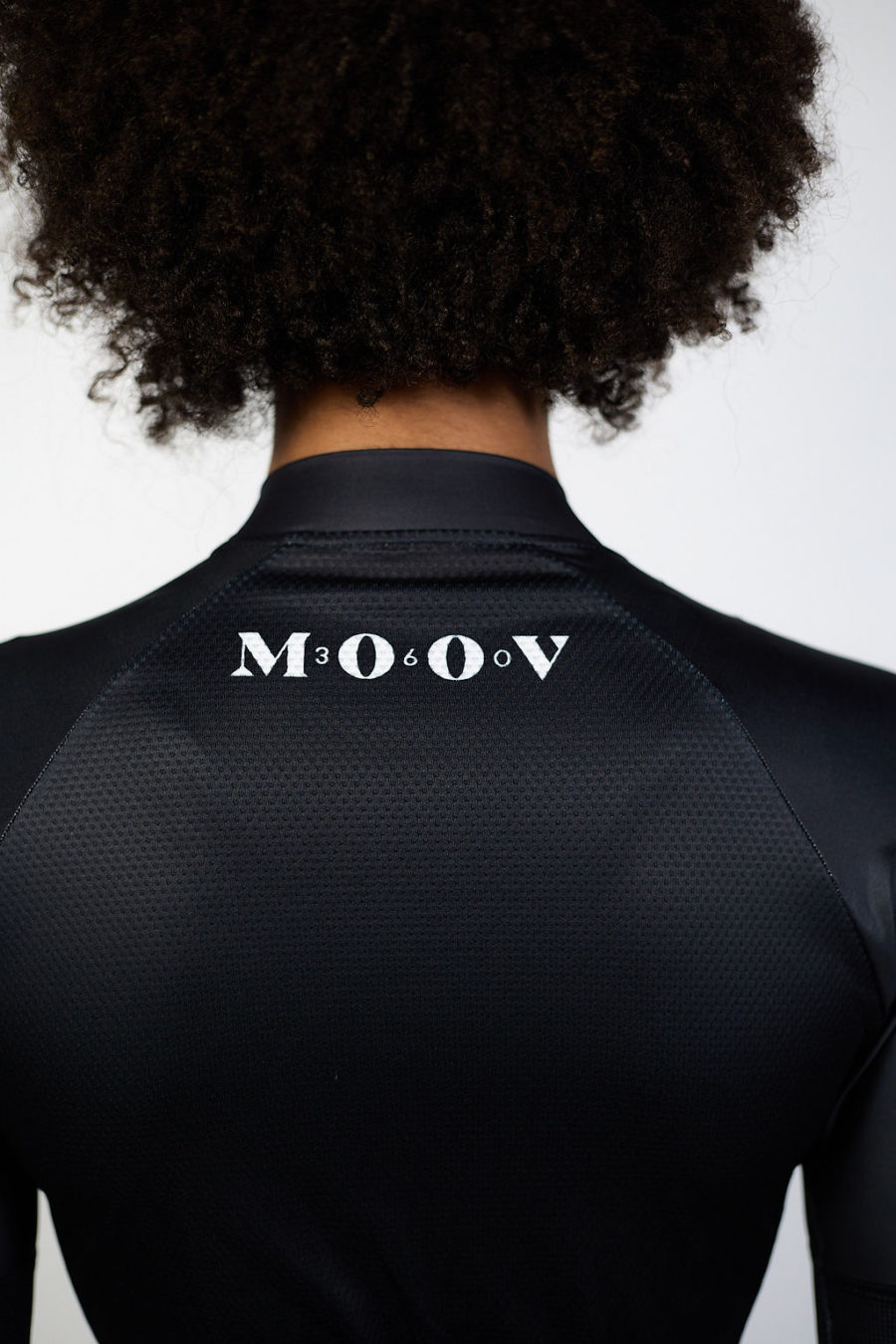
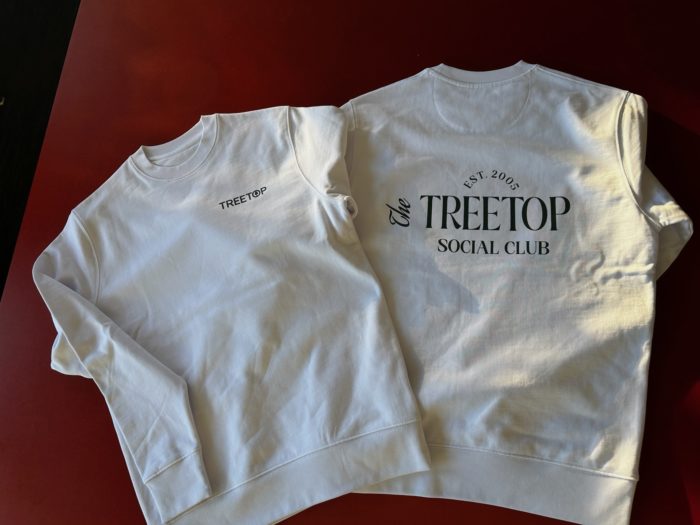
It’s worn on the way to work.
It’s used during meetings, at home, on the move.
And that’s where the misunderstanding begins.
Because once an object enters daily routines, it stops being about visibility. It becomes about use.
WHY DESIGN MATTERS
What is used is remembered.
What is ignored is silently rejected.
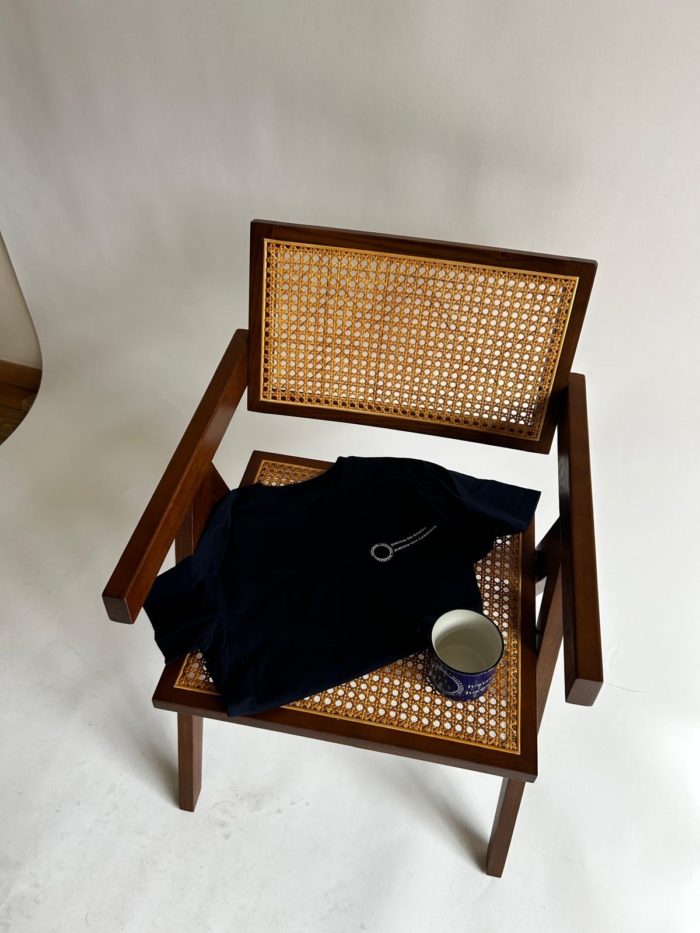
Inside companies, these objects shape far more than external perception. They influence how teams experience the brand internally — often more honestly than any brand guideline or internal presentation. A poorly designed object signals haste. A generic one signals indifference. A thoughtful one signals care, clarity, and intention.
This is why branded objects should be considered business tools.
THE SILENT SIGNAL
Not because they generate direct sales or impressions, but because they support how a company functions day after day. They create coherence between what a brand says and what people actually experience. They reduce friction. They integrate naturally into workflows and habits. And over time, they build trust — internally first, externally second.
Many brands still chase visibility: more items, more logos, more distribution. But efficiency doesn’t come from quantity. It comes from relevance.
One object that is used daily for two years will always outperform a thousand objects seen once and forgotten. Not louder. Just more effective.
THE POWER OF RELEVANCE
And teams know the difference immediately.
They know when an object has been chosen with intention — and when it hasn’t. They feel whether it fits their reality, their needs, their environment. They keep what makes sense. They leave the rest behind.
At GIVEN, we don’t approach branded objects as communication supports. We see them as tools that need to work — practically, culturally, and over time. That means asking different questions.
Who will use this? In which context? For how long? And what should this object say, without ever speaking?
Because when branded objects are designed as business tools, they stop creating noise.
They start creating meaning.
And that’s where their real value lies.
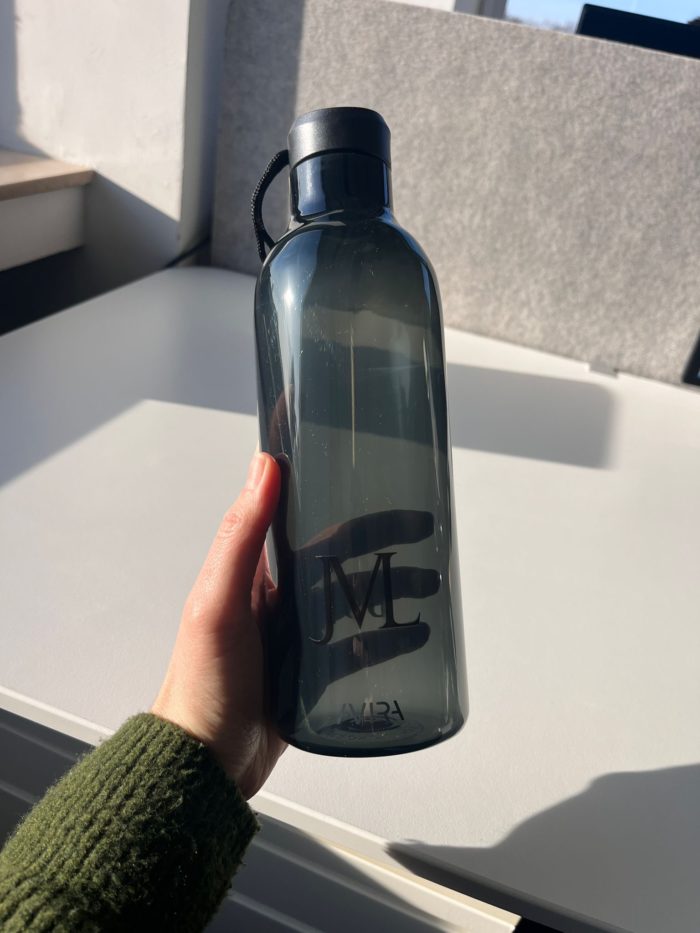
At GIVEN, we believe branding is strongest when it becomes part of daily life.
Let’s design objects meant to be used, not just seen. Explore our catalogue or get in touch at hello@thisisgiven.com.